
Alfama's Best-Kept Secrets for Art Lovers
Alfama has reached dizzying heights of popularity among travellers, who praise the neighbourhood's winding streets, picturesque alleys and surprising stairs connecting colourful houses, with laundry drying in the sun. I wholeheartedly get the charm, and I love Alfama for it. It is a joy to walk its streets and small squares, and to discover its surprising viewpoints that, on a summer day, under the shade of a tree or a bougainvillea, can easily take your breath away.
But did you know that there are also some surprising buildings and institutions, some hidden in plain sight, that deserve your attention and will reward you with exquisite finds?
If you want to complement your stroll through Alfama with a moment dedicated to art and heritage, read on, as I share three of my favourite Alfama treasures that are waiting for your visit.
São Vicente de Fora Monastery (Mosteiro de São Vicente de Fora)
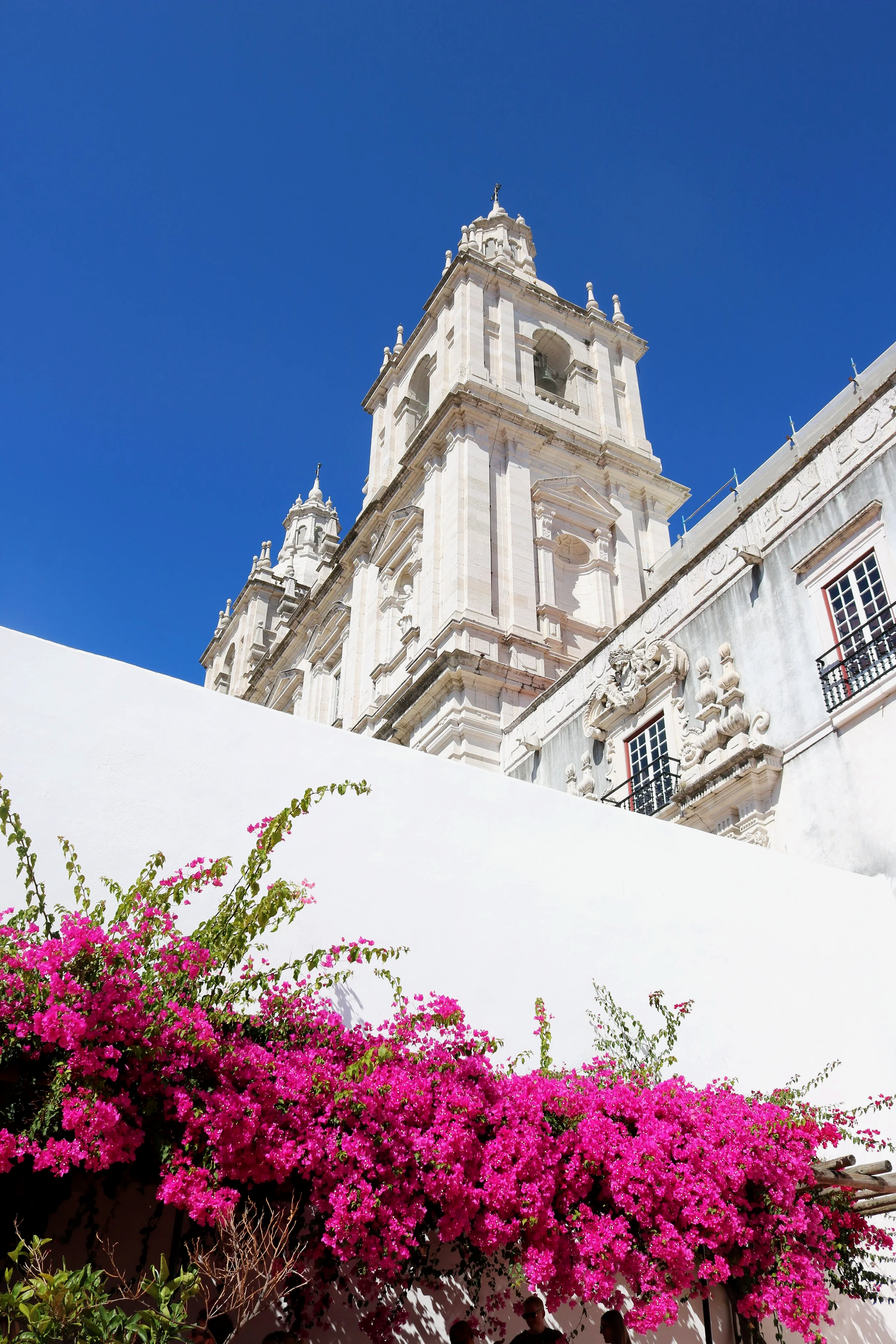
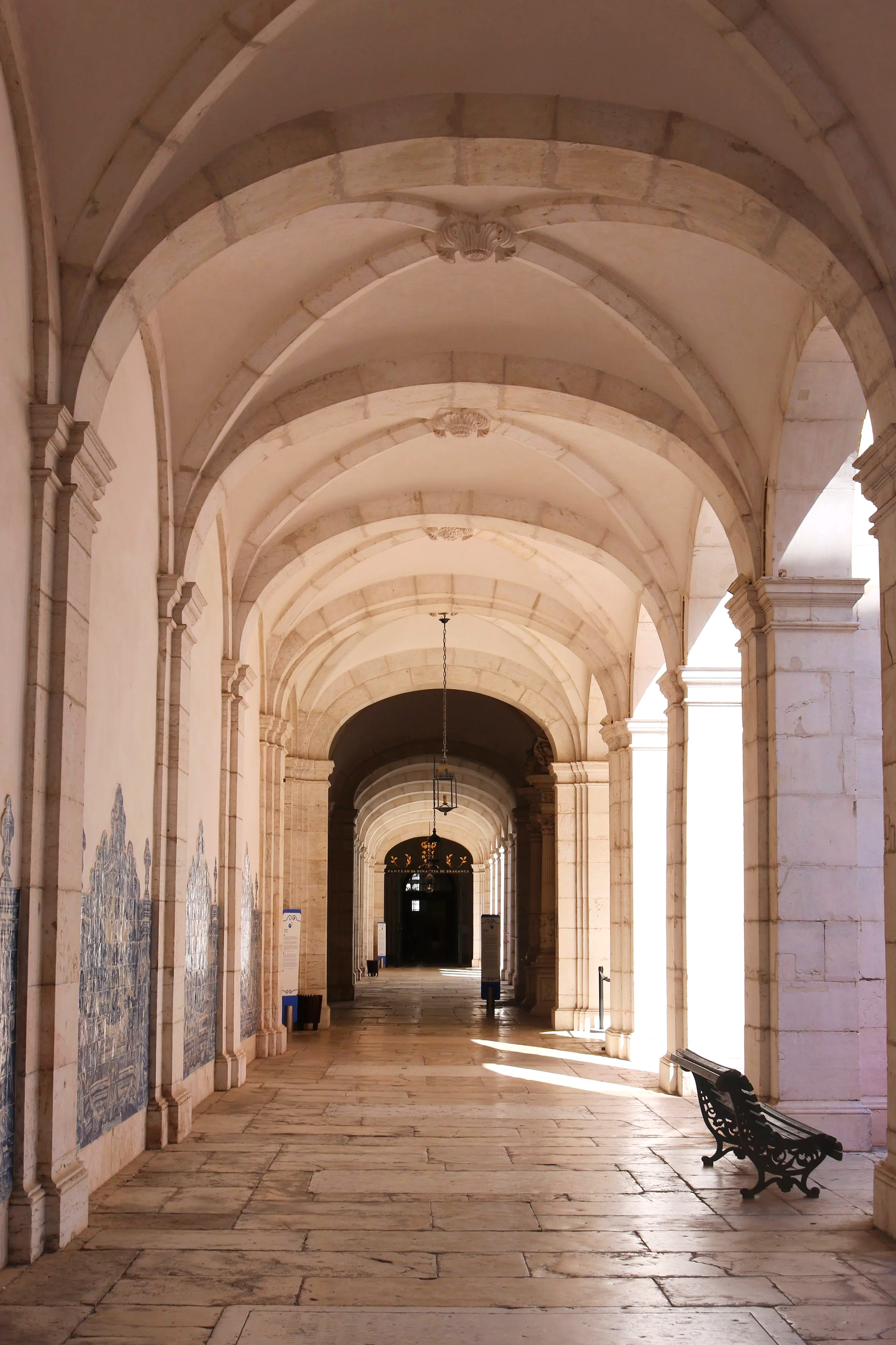
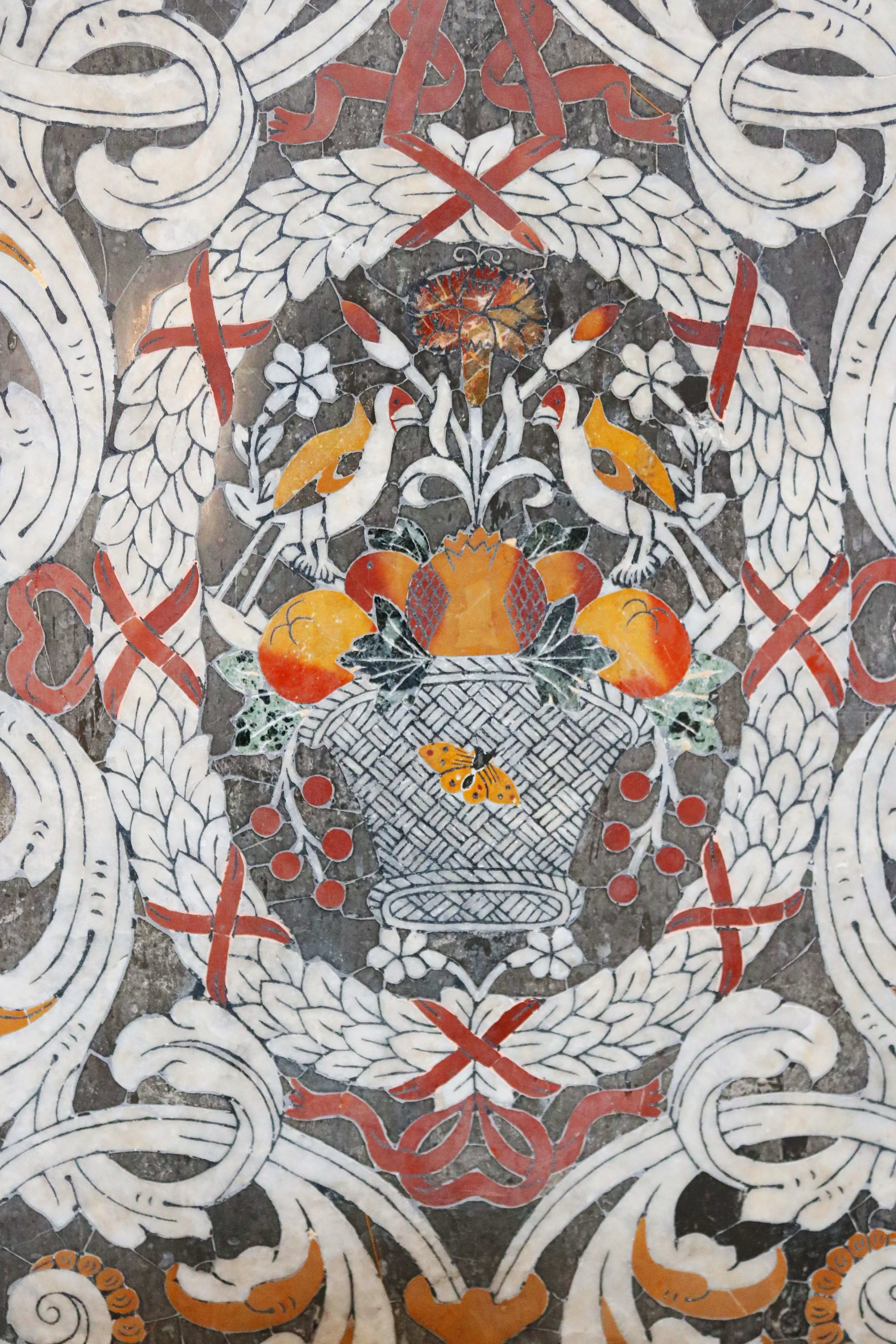
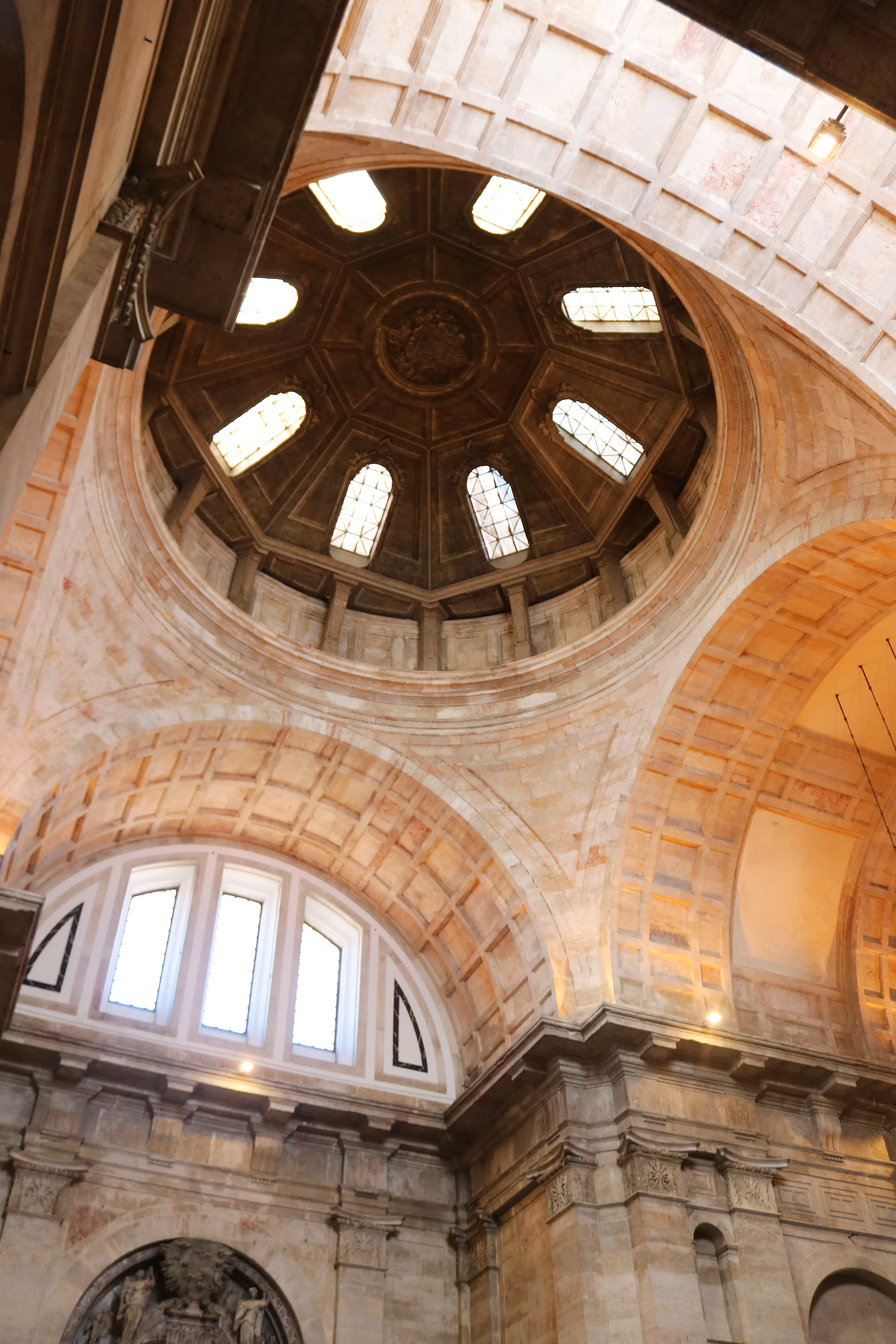
I had to start with this national monument, which has always been at the top of my imaginary list of monuments to visit in Lisbon. Yes, it is that good!
The monastery has a long history, originally built by order of Portugal's first king shortly after the conquest of Lisbon. From that period, it still holds a functioning 12th-century cistern that collected rainwater, helping to ensure that the monastery would not run out of this precious life source. Though not much from the medieval period remains, echoes of that time are present in the stories told by the building's Baroque tiles. But I am getting ahead of myself... I will get to the tiles in a second.
The monastery held such social and symbolic importance in the city that, after the Portuguese crown passed to the Spanish Habsburgs in 1580, King Philip I of Portugal decided to rebuild not just any monastery, but this very one. The monastery we see today is largely the result of that rebuilding: a majestic, elegant and sober building, and one of the early examples of Mannerist architecture in Portugal.
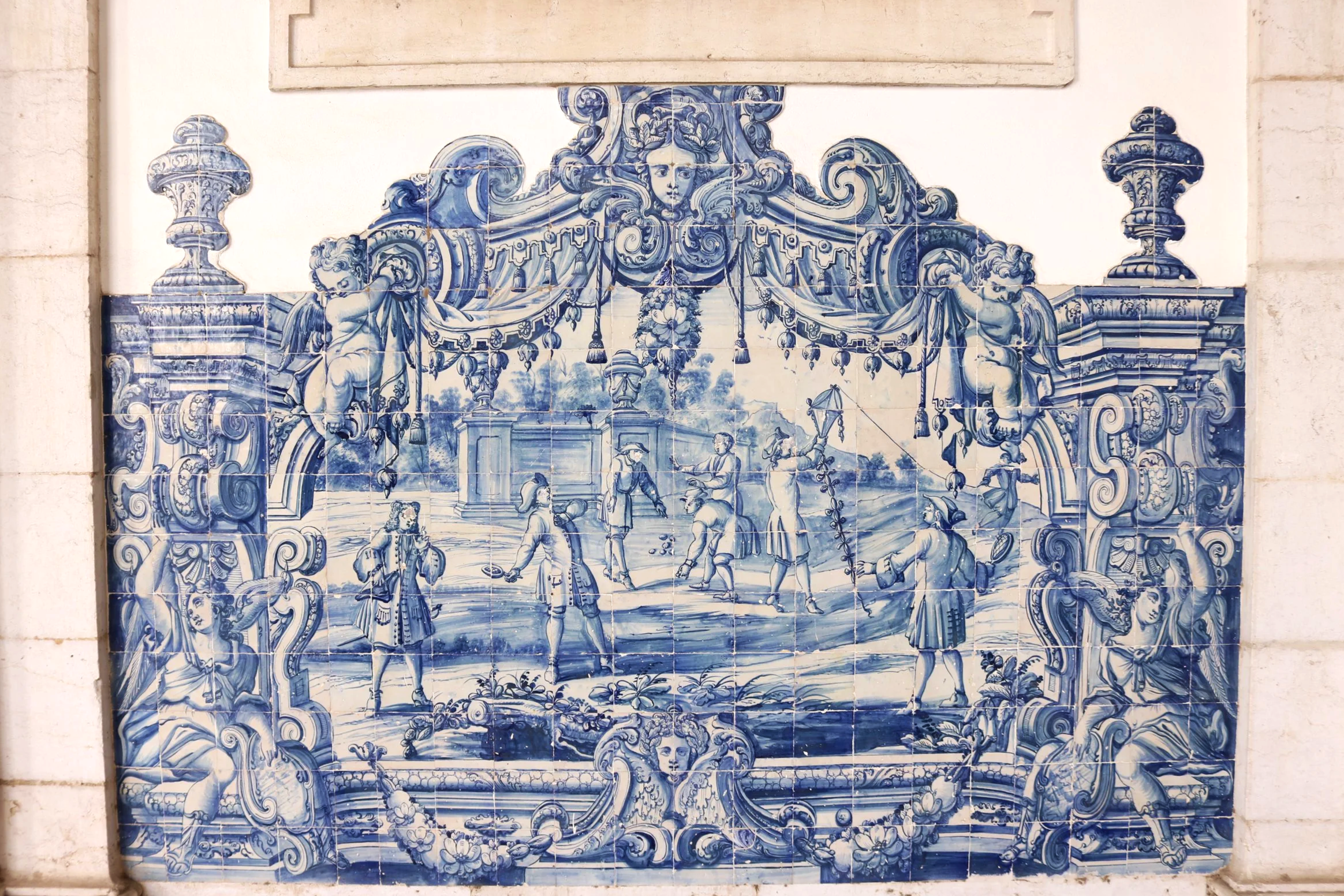
Nobleman flying kites in one of the 222 baroque tile panels of the Monastery.
Later, in the 18th century, plenty of artistic additions were made, most notably the impressive collection of Baroque tiles. With around 100,000 tiles and approximately 222 panels, it is one of the largest collections of its kind in the world. The panels were inspired by French engravings and portray all sorts of scenes, from noblemen flying kites to fishermen, battles at sea and chinoiserie.
And then there is the particularly impressive collection of tiles featuring all of La Fontaine's fables, including, of course, everyone's favourite: the tortoise and the hare.
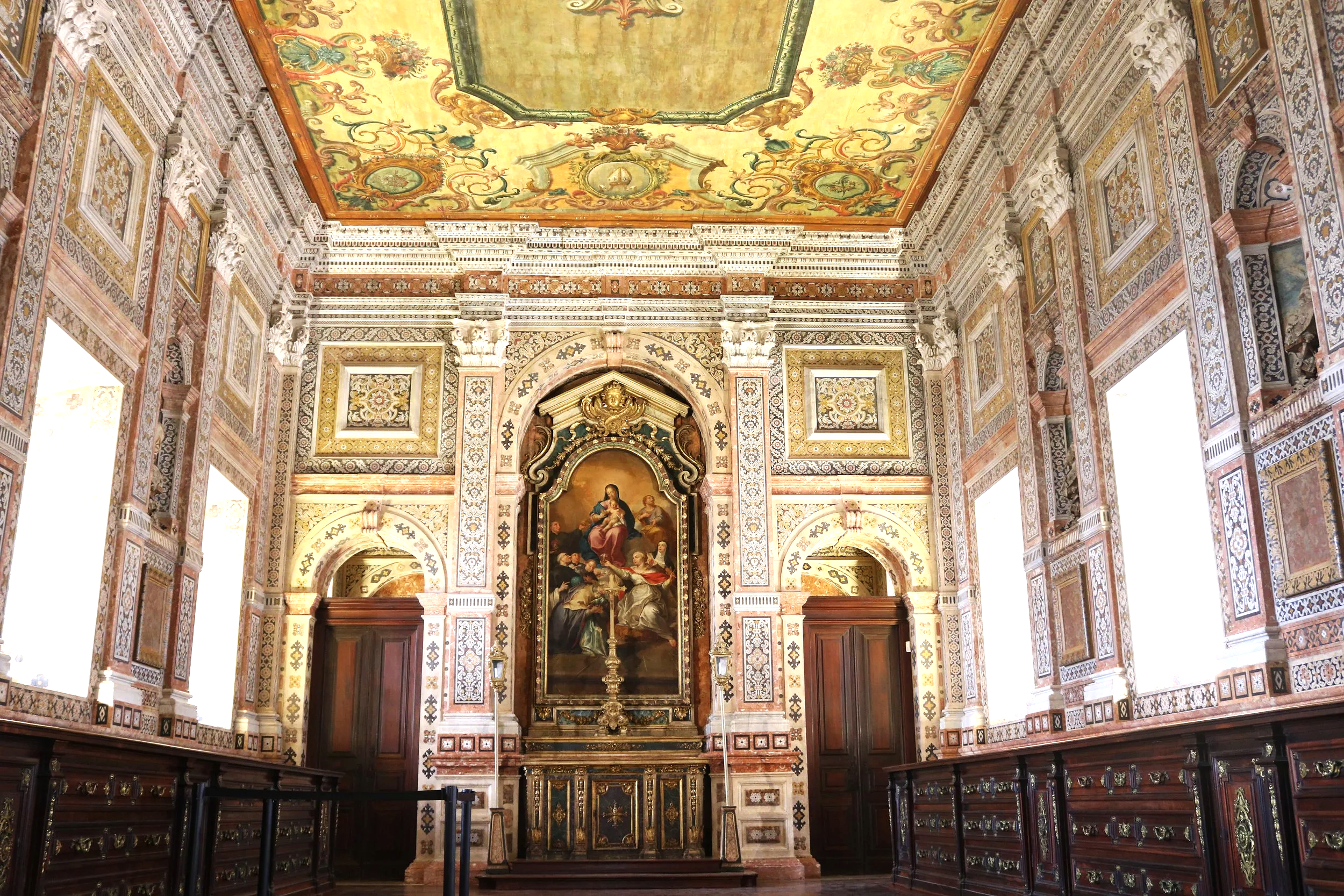
The sacristy of Sao Vicente de Fora Monastery.
If you are already adding São Vicente de Fora to your list, let me tell you there is even more to it. The sacristy is decorated with some of the most exquisite examples of inlaid work, creating a masterpiece that is so much better in real life than in any photograph.
The cherry on top of the cake — or, shall I say, the lantern tower on top of the roof? Sorry for the geeky moment — is the amazing view you get from the rooftop. It is one of the best viewpoints in the city, worth every single step it takes to get there!
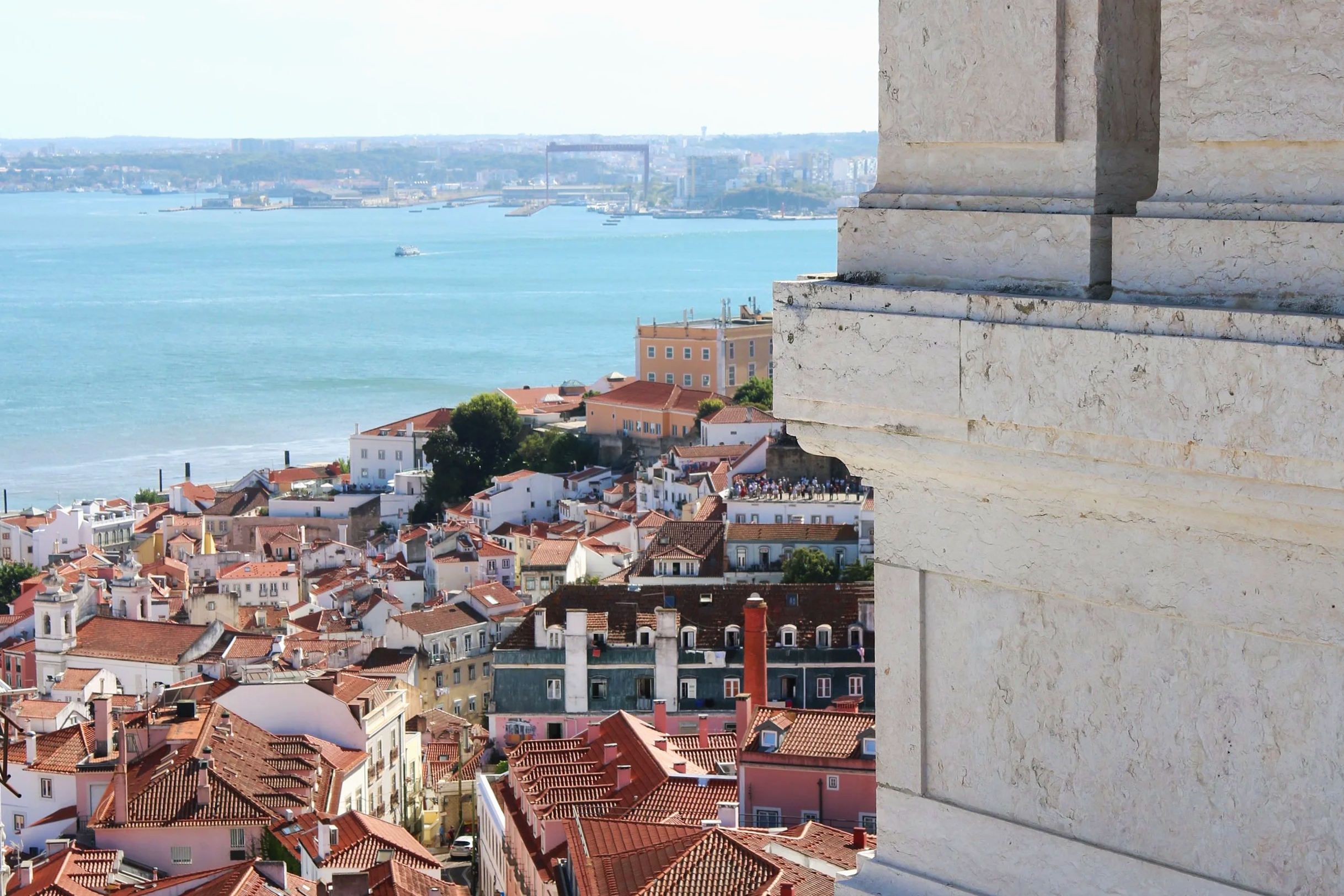
View from the rooftop of Sao Vicente de Fora Monastery. One of the best viewpoints in the city.
Decorative Arts Museum (Museu de Artes Decorativas)
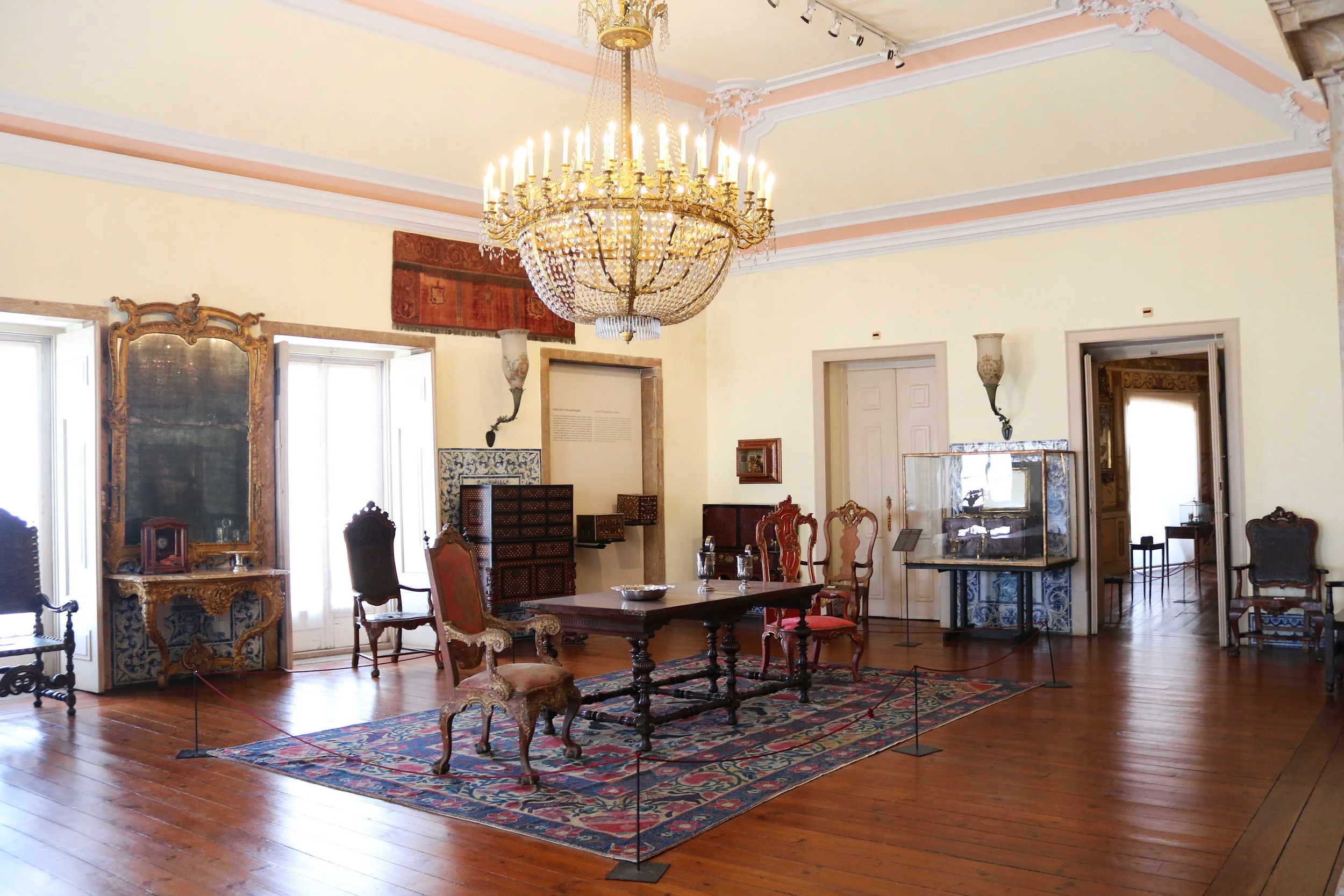
The Decorative Arts Museum is set up as a house.
This jewel of a museum sits peacefully behind the red-painted façade of the Azurara Palace, right at one of the busiest points of Alfama: Largo das Portas do Sol. Leave behind the noise of trams, tuk-tuks and passers-by taking the best possible photo, and reward yourself by entering this museum.
The museum belongs to the Fundação Ricardo do Espírito Santo Silva, founded in 1953 by the Portuguese banker and collector Ricardo do Espírito Santo Silva. He not only put together an impressive decorative arts collection, but also left as his legacy a school of decorative arts dedicated to preserving the know-how, techniques and tools that created the very pieces he collected. The school still operates in the building.
But let's go back to the Azurara Palace. As we walk upstairs, we are greeted by 18th-century tiles and beautiful painted ceilings. The museum is set up like a house, allowing you to walk from room to room feeling as though you are visiting some good old friend with impeccable taste.
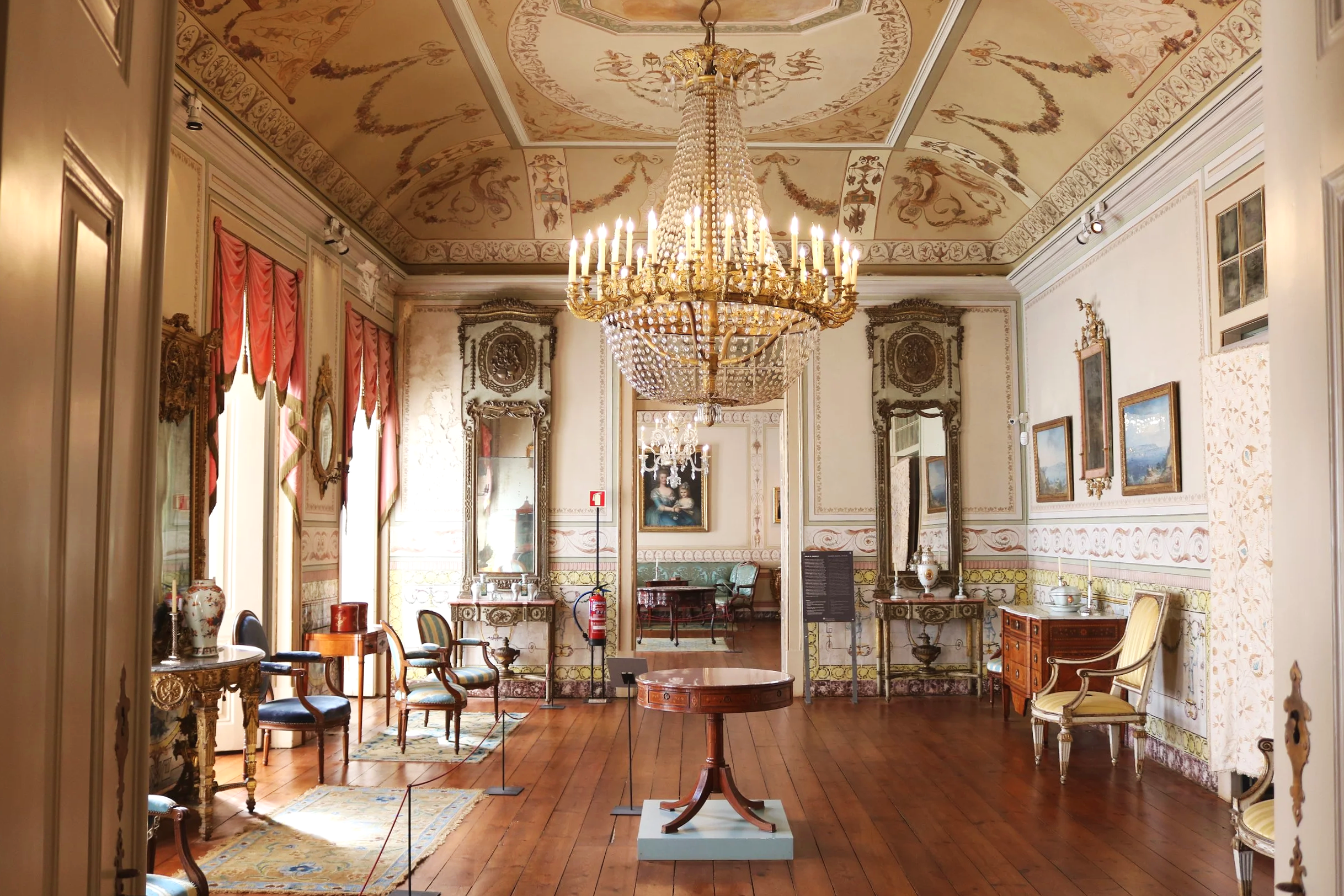
Enjoy the quiet rooms of the Museum while admiring the impressive decorative arts collection.
While outside the city is loud, here you are drawn into fine examples of furniture, textiles, ceramics, goldsmithing, sculpture and painting. The collection is cohesive and shows great examples of Portuguese decorative arts alongside European and Oriental collections.
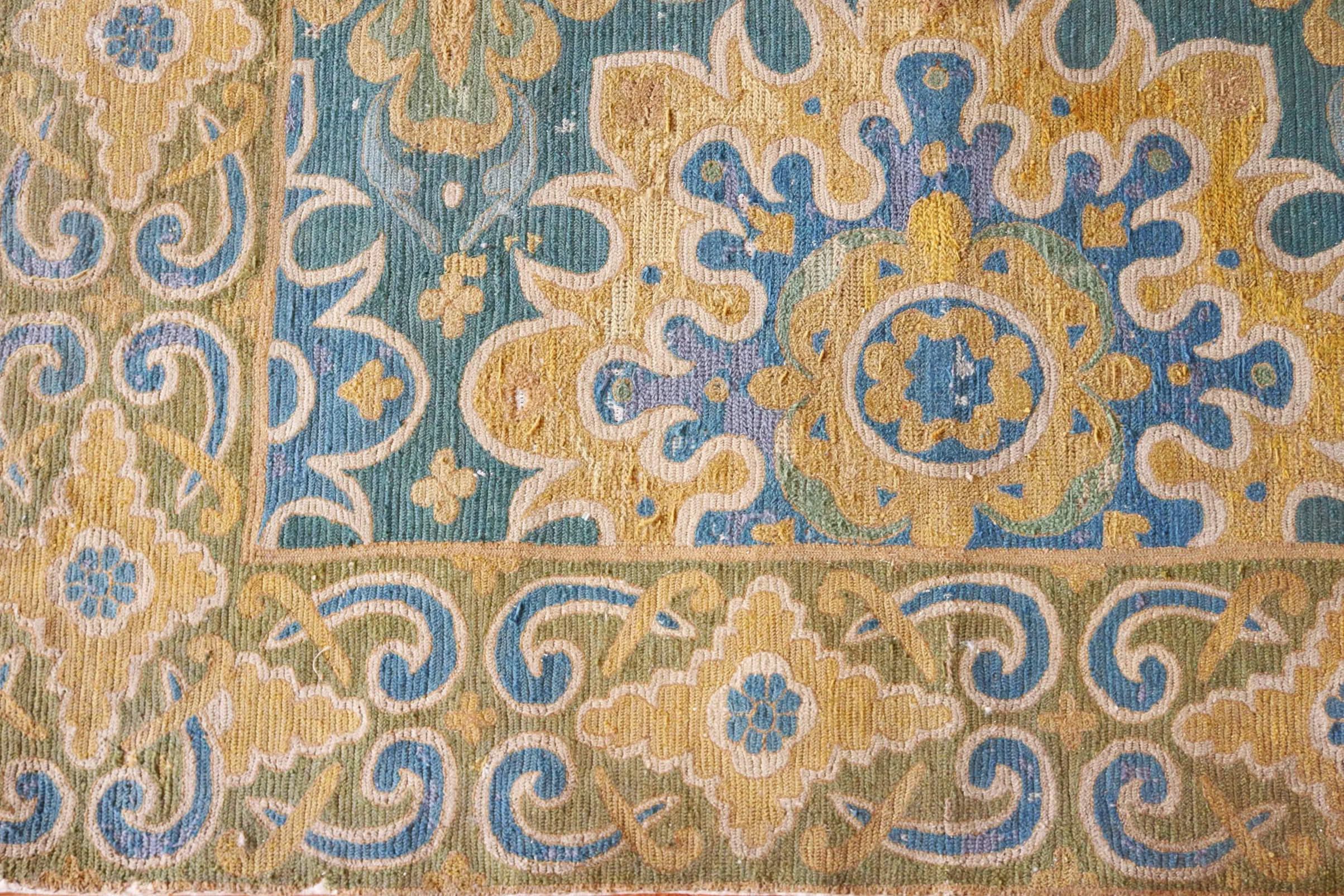
Detail of a traditional 18 century Arraiolos rug.
It is not a big museum, but just the right size to allow you to spend an hour learning and simply being carried away by the fantastic craftsmanship you will encounter there.
Military Museum (Museu Militar)
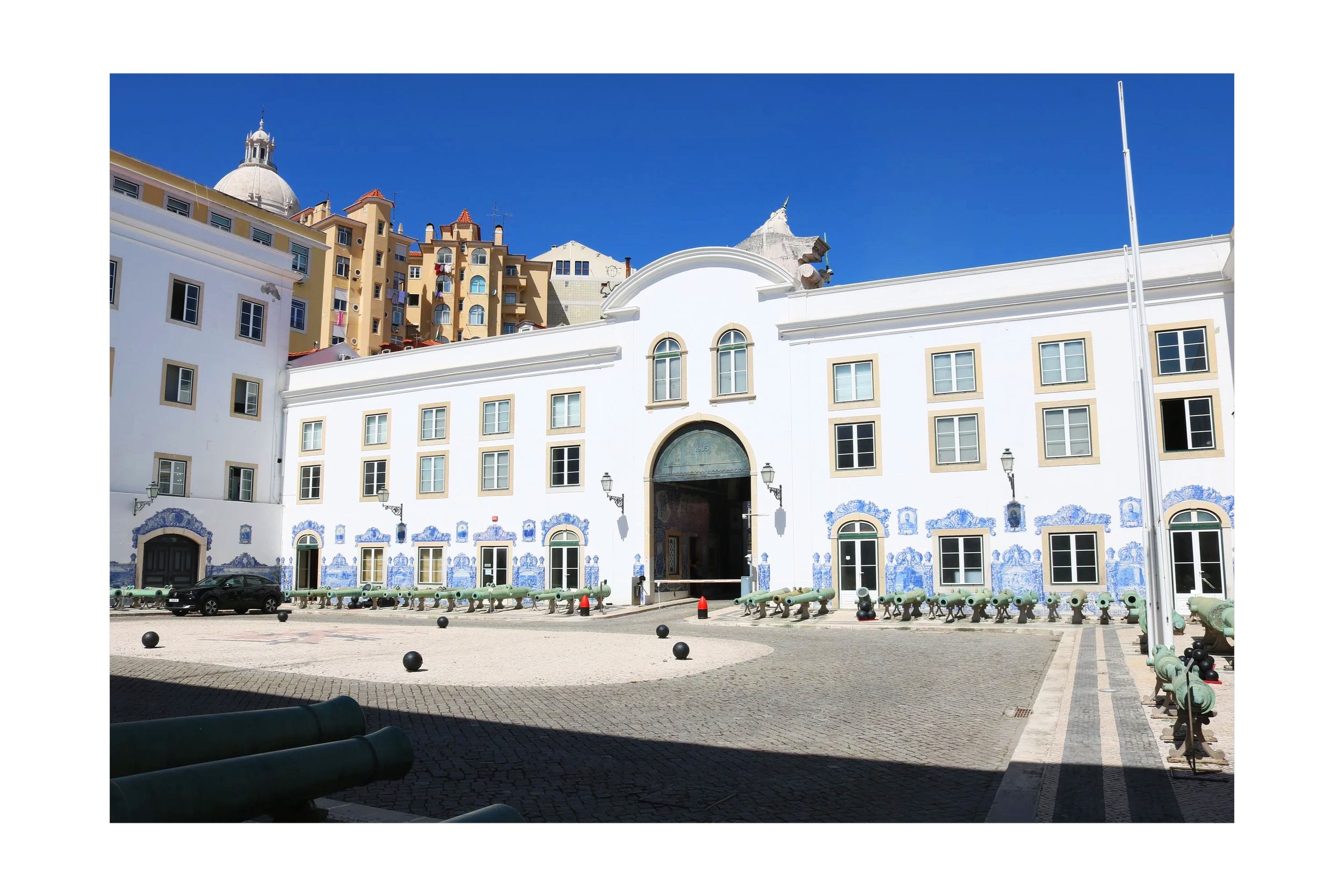
The Military Museum not only has both military and art collections to be discovered.
Facing the necessarily busy Santa Apolónia train station sits an impressive building. First and foremost by its size, and then by its guards. If you didn't read the clear signs pointing out that inside the gates is the Military Museum, you might consider that it wasn't a public building. But it is, and thankfully it is. It is also generally considered the oldest museum in Lisbon.
Belonging to the Portuguese Army, the museum is located in a historic building dating from 1764 — the Royal Military Arsenal. It was transformed into the Artillery Museum in 1851, later gaining its current name. The building itself is reason enough to spend some time there. It is richly decorated with tiles, from the 18th to the 20th centuries, painted ceilings and murals, elaborate woodwork and gilded woodwork too.
The collection is unique and captivating as well. It showcases rare military pieces, armour, war equipment and art, including works by some of the most renowned 19th- and early-20th-century Portuguese artists, such as Columbano Bordalo Pinheiro, José Malhoa and Carlos Reis. The bronze artillery collection is particularly renowned.
And it will impress adults and children alike.
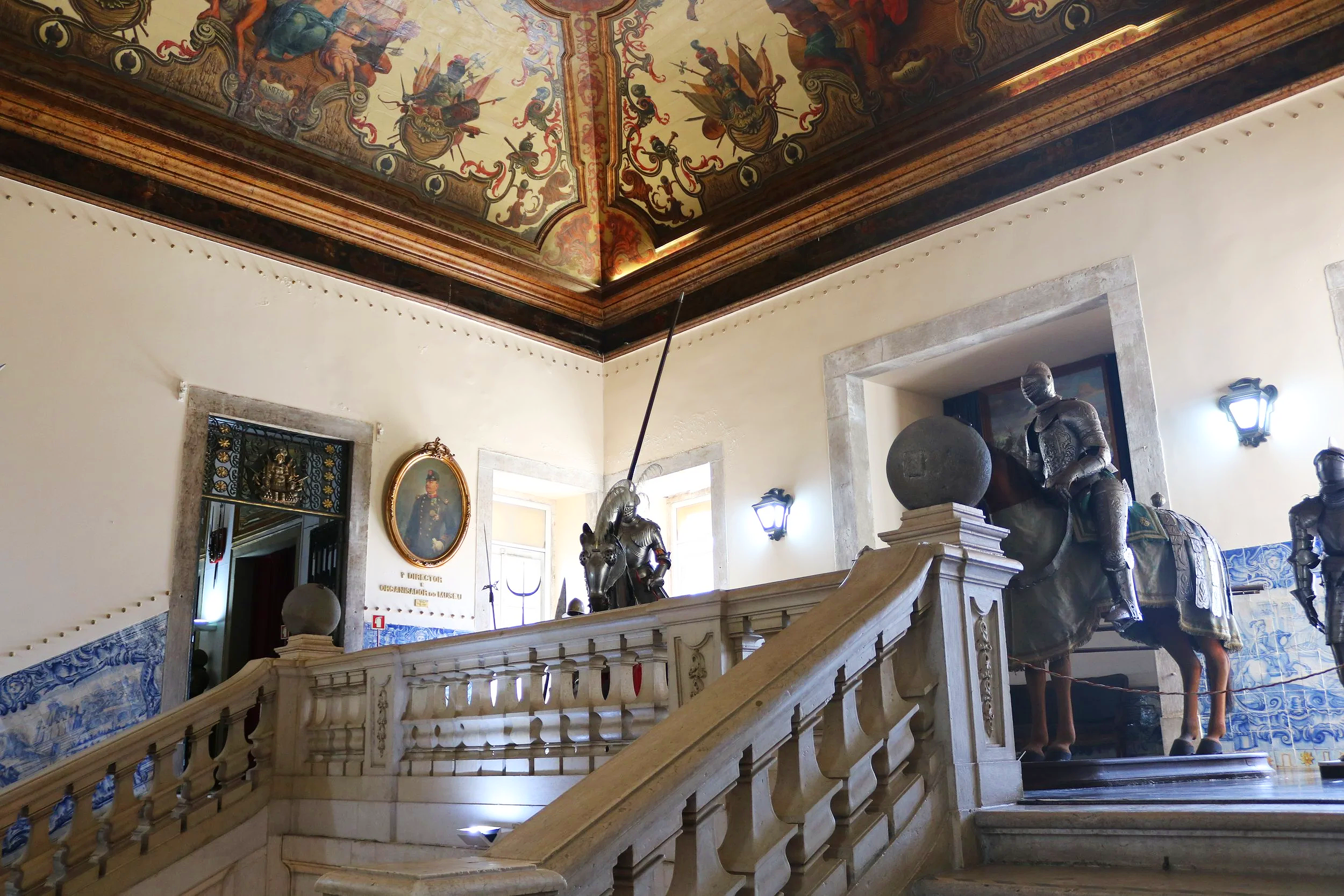
A glimpse of the impressive interiors of the Military Museum in Lisbon
Three Alfama treasures worth discovering
I hope these suggestions end up on your wishlist of places to visit in Lisbon. And if you want to visit them along with me, make sure to check out my tours — namely my Alfama Deep Dive, where we can appreciate São Vicente de Fora, or my Portuguese Arts and Crafts tour, which starts precisely with a visit to the Decorative Arts Museum.