
Madragoa
Best Neighbourhoods in Lisbon That You Probably Weren’t Aware Of
Part 1 – Madragoa
Having been a tour guide in Lisbon and its surroundings for 12 years straight, then moving to the countryside to dedicate myself to family life, and now returning to the city and tour guiding after five years away, I find myself in a rather unique position. I have a very acute sense of how much certain areas of the city have changed.
It is quite clear that whole sections of Lisbon are in danger of losing their essence because of gentrification and an excessive focus on tourism, leaving less and less room for locals to continue living there. I am not joining the choir of those blaming tourism per se, as I find that a rather simplistic way of looking at a much deeper, underlying problem. One that affects not only Portugal, not only Europe, but cities all over the world. As with most things, it is a confluence of causes and effects, resulting in an obvious problem that will require a broad approach to resolve.
But I digress. Perhaps on another occasion I will write more in depth about my views on this undeniable problem.
Going back to the subject at hand, it is quite obvious that certain areas of the city are no longer focused on locals, but almost entirely on those who visit us. I am thinking of Alfama and Baixa, Avenida da Liberdade or Chiado, where hotels and international brands dominate, side by side with restaurants and cafés that have little or nothing to do with Portuguese traditions.
Take breakfast and brunch, for example. Traditionally, the Portuguese have never put too much effort into the first meal of the day. Lunch is the big deal here. And I am not saying this is necessarily a bad thing. I like a poached egg as much as anyone else. But is it rooted in any long-standing tradition or cultural background? No. It really comes down to what you want to experience when visiting a place.
And on that note, I was happy to stroll through some of my favourite neighbourhoods and discover that local life is still very much alive in certain corners of the city. The cafés and pastelarias still have their regulars, gardens still have gentlemen playing cards, playgrounds still have children running around, and local restaurants still have handwritten menus. No crowds in sight, no tour groups passing by, no souvenirs made in China. You get the picture.
So, somewhere in the back of my mind, after a couple of days of meetings in Lisbon to plan some exciting events, I knew I had to start a series about those neighbourhoods where you can still get a real sense of what Lisbon life is all about. I trust you to be responsible travellers, to respect the essence of these places and to enjoy them alongside the people who live and work there.
That was a longer introduction than I anticipated, but as we say in Portugal, words are like cherries: one never comes alone.
With no further ado, let’s kick this series off with lovely Madragoa!
Nestled between Santos, Lapa and Alcântara, Madragoa has a history that goes back to the 16th century, when it was known as Mocambo. The name comes from an African word of Bantu origin, generally understood to mean a settlement or place of refuge. Established as an official neighbourhood by royal charter in 1593, Mocambo was home to a significant African community, including both free and enslaved people. This is an important, and often overlooked, part of Lisbon’s history, and one that deserves to be remembered alongside the more familiar stories of the city.
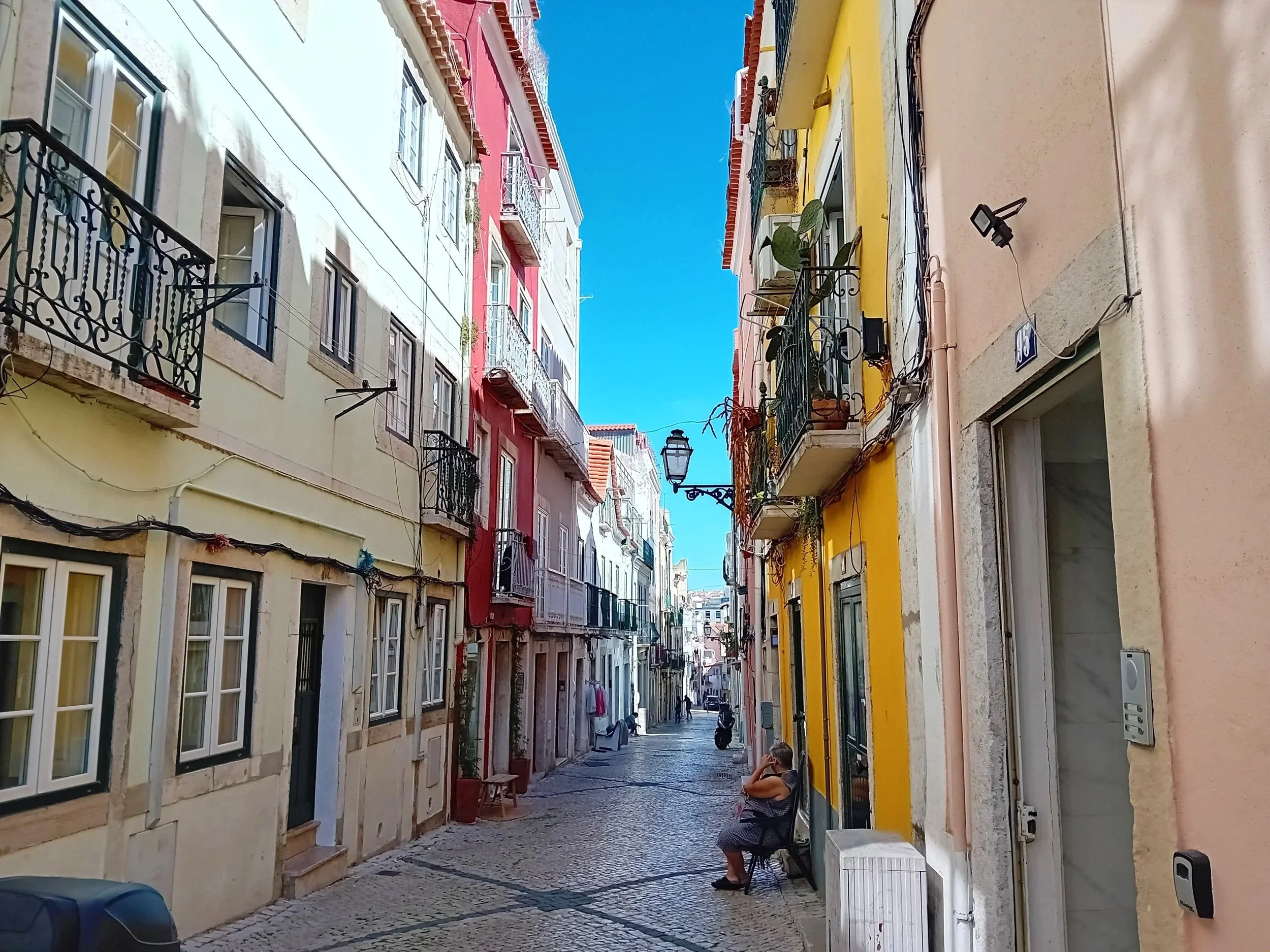
Madragoa knows how to do slow living.
During the 17th century, the area became associated with several religious institutions, including convents and female religious communities. One explanation for the name Madragoa traces it to Madres de Goa, referring to a religious house associated with women from India. The precise origins of the name are debated, however, and the neighbourhood’s history is rather more complex than a single etymological explanation might suggest.
Madragoa also developed a strong connection to the river and the people who made their living from it. Fishing, fish selling and other maritime activities shaped the area for generations. The varinas — the women traditionally associated with selling fish, often carrying their baskets through the streets and calling out their wares — became an emblematic part of Lisbon's popular culture. Their presence is still celebrated in the neighbourhood’s identity and in the Marchas Populares, the traditional parades held during the June festivities.
Like Bairro Alto, Madragoa also has a fairly regular street layout that reveals something about its urban development. Its streets form a kind of proto-grid, offering a glimpse of the evolution from a more medieval pattern of urban growth towards a more ordered approach to planning. But this is Lisbon, after all, so even the most geometrical designs have to adapt to the abrupt topography of its hills. The result is a succession of unexpected angles and glimpses of the river that appear between buildings. It truly is a joy to wander through its streets and quietly admire the architecture.
You will immediately find yourself wondering whether you have stepped into a village, even though just two streets earlier you still felt the buzz and rush of city life.
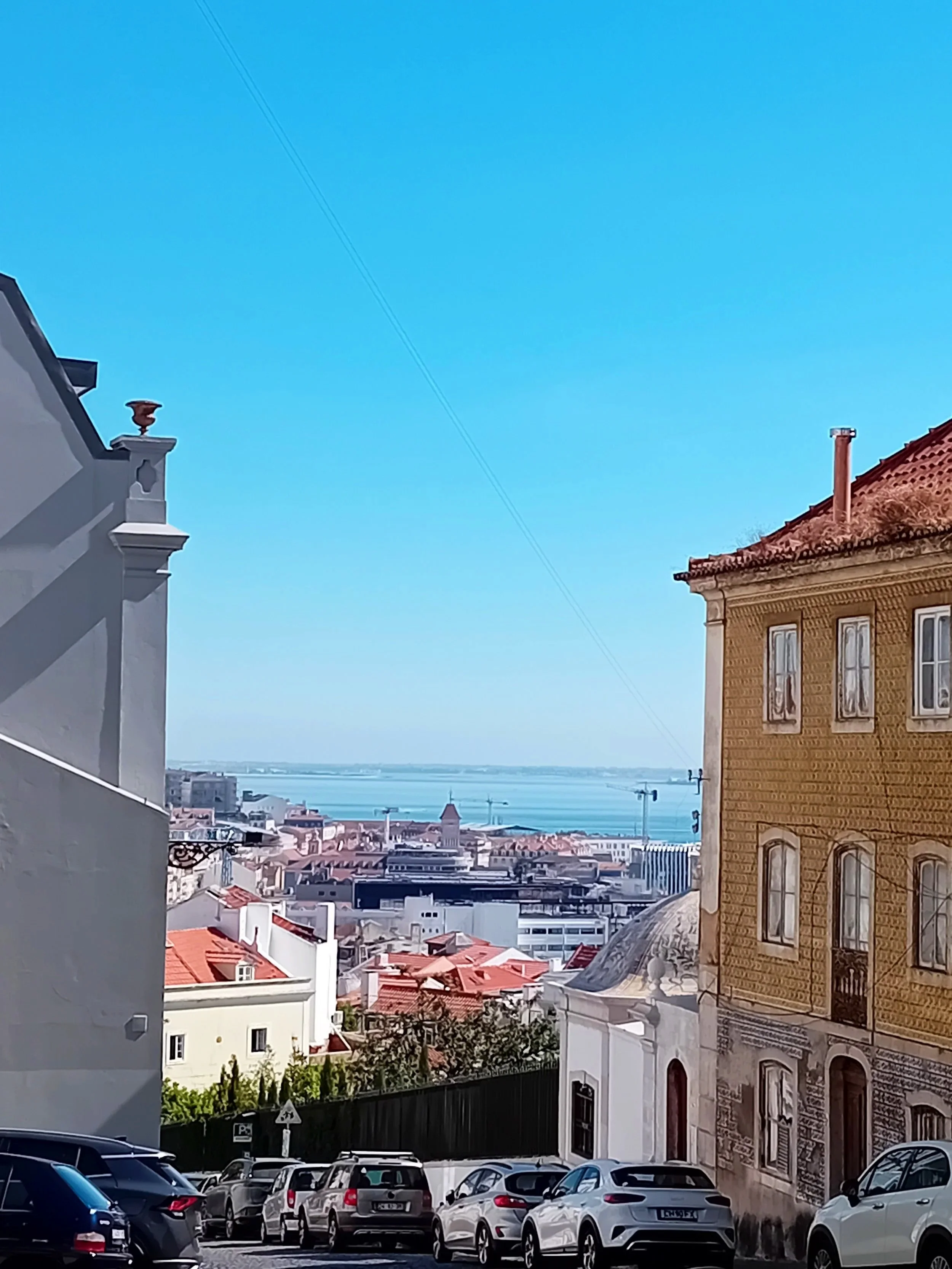
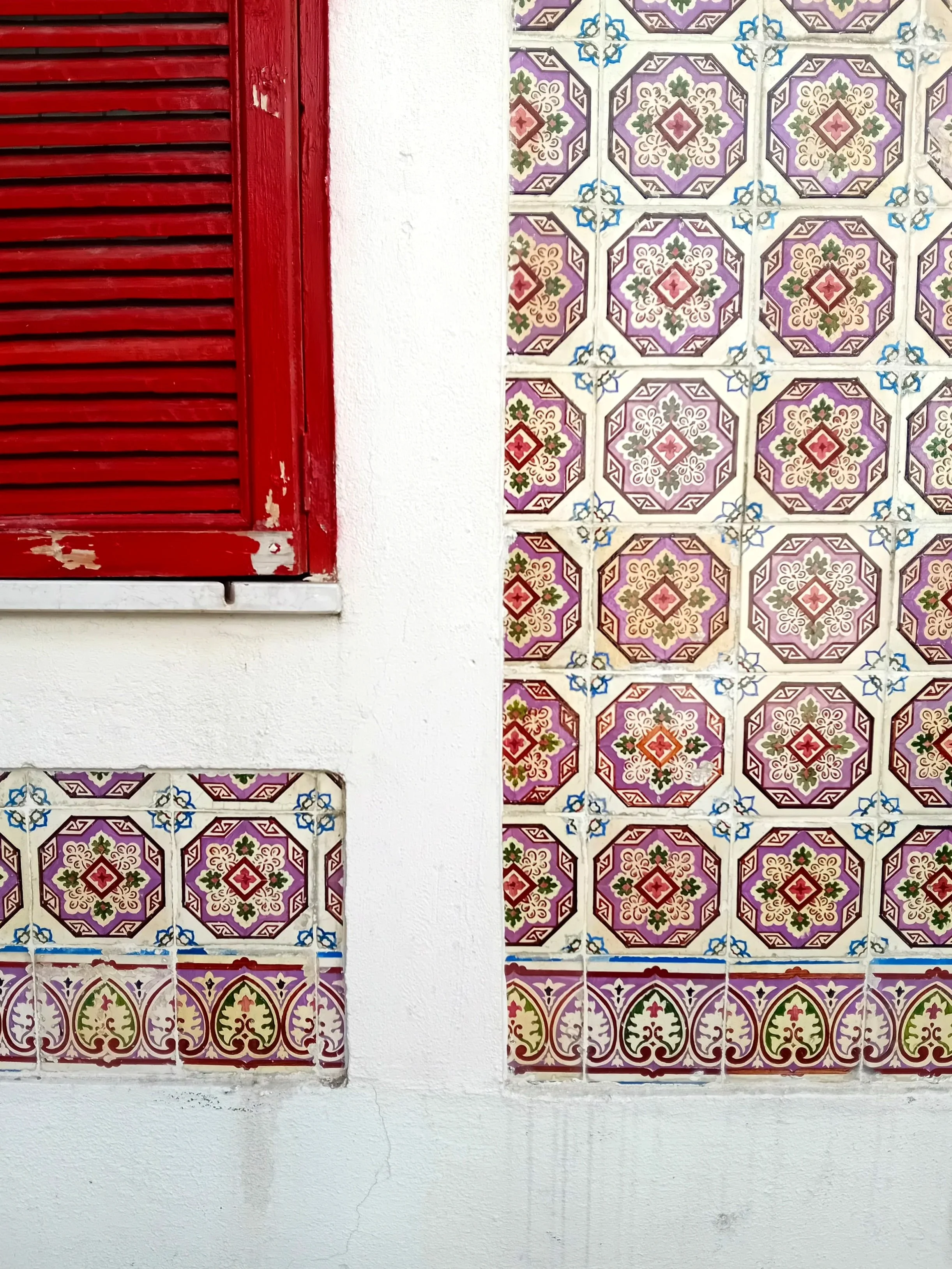
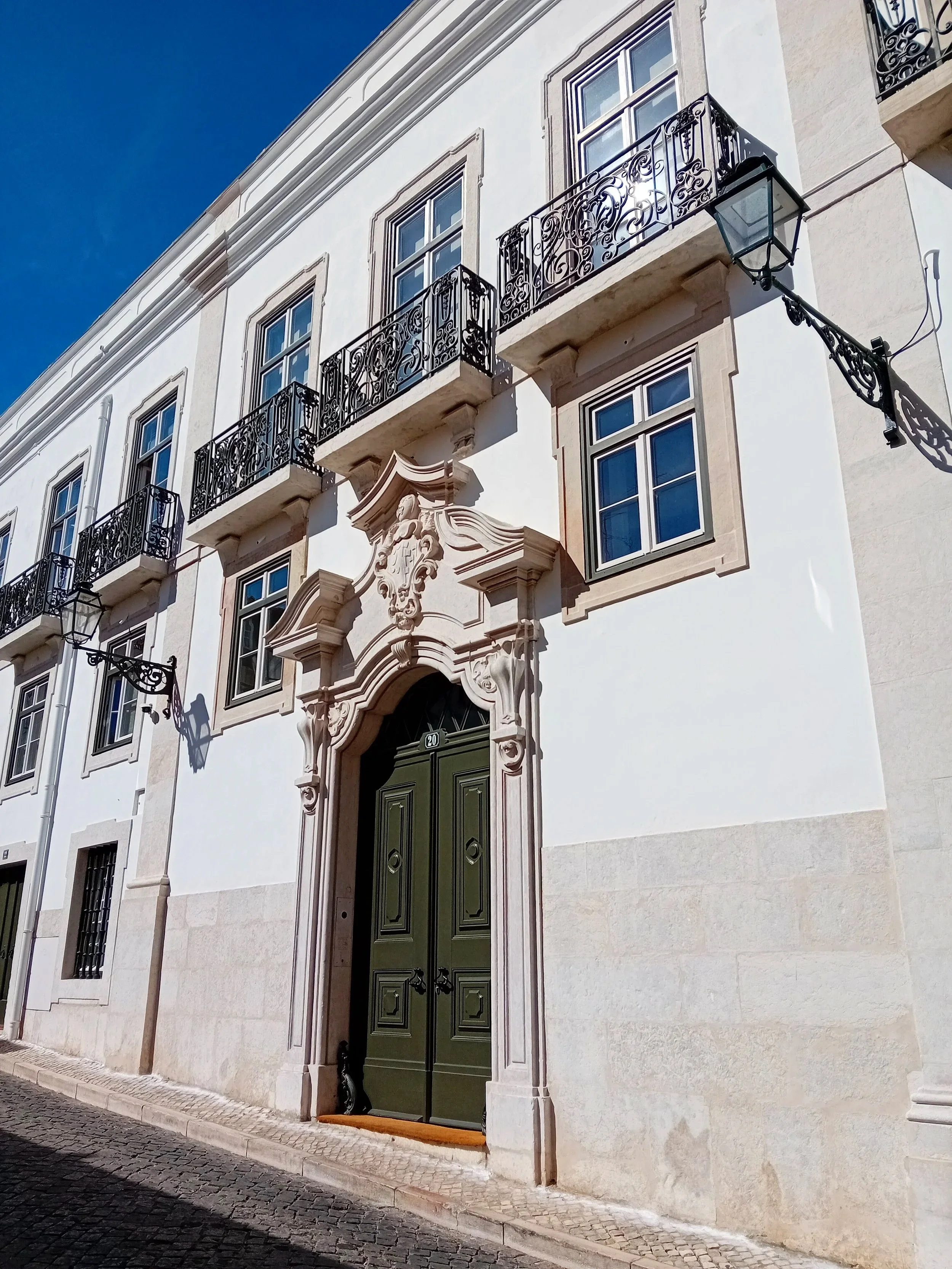
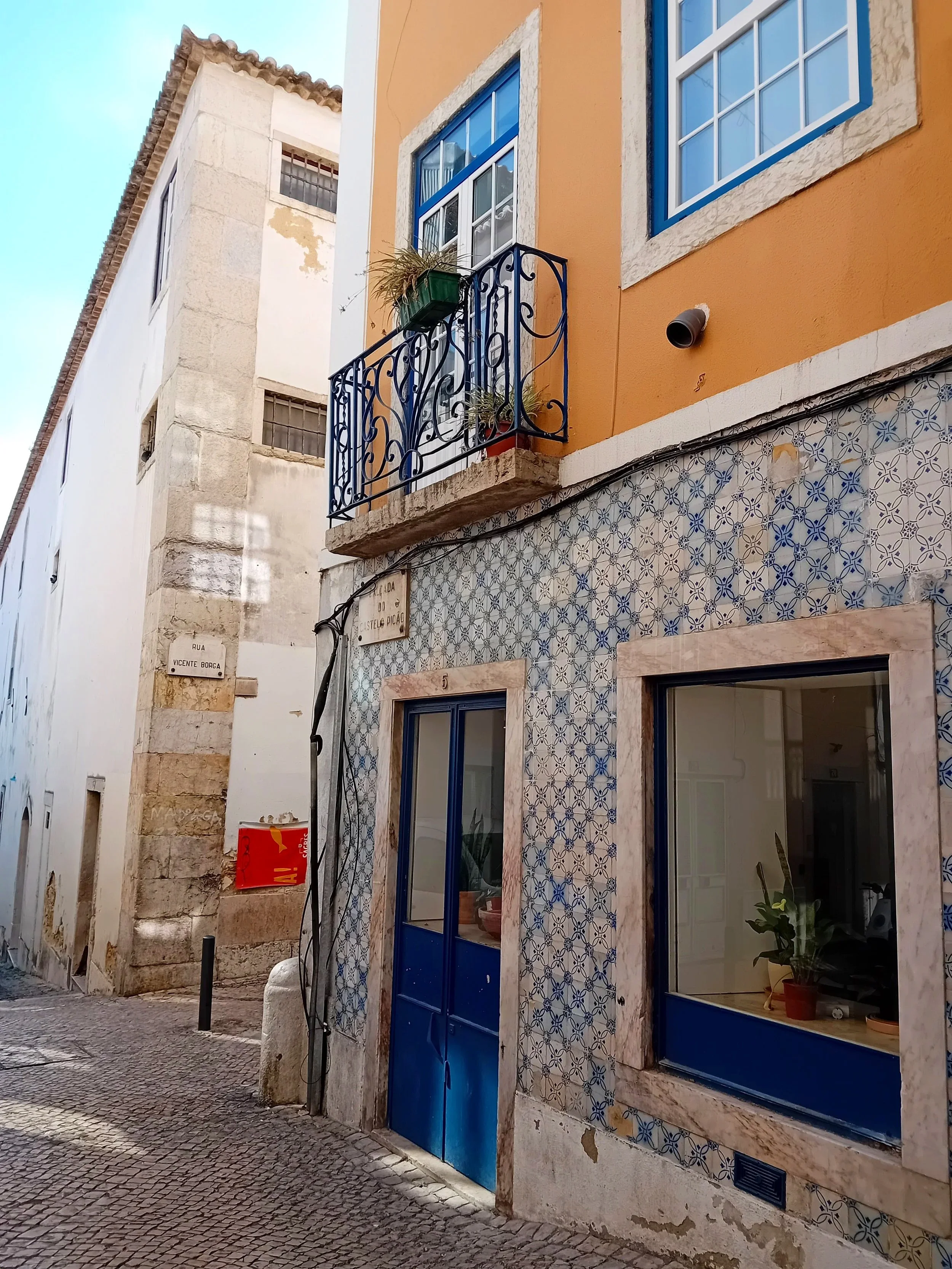
Noble architecture also dots Madragoa, because Lisbon has always had this rather unique feature of mixing social classes within the same neighbourhoods. Keep an eye out for Palácio do Machadinho, a reminder of the more aristocratic side of the area, and the monumental Convento das Trinas, another example of how religious institutions shaped this part of the city.
Madragoa is also home to the Museu da Marioneta — the Puppet Museum — housed in the former Convento das Bernardas. Founded in the 17th century, the convent has had several lives since the religious orders were abolished in the 19th century. It eventually became a residential building, and its restoration brought together housing, cultural activities and the museum. Today, the collection includes traditional Portuguese puppets as well as puppets and masks from Africa and Asia, offering a fascinating look at the many ways people have used these objects to tell stories and bring characters to life.
The building itself is worth the visit. Its unusual layout reflects the challenge of fitting a large convent onto such uneven ground, with the church and cloister sitting several floors above street level. And if you are in the mood for a proper meal afterwards, the convent is also home to A Travessa, a restaurant that has long been associated with the building. Check its current opening arrangements before making plans.
For contemporary art enthusiasts, there are a few places worth keeping on your radar. Consonni Radziszewski, formerly known as Galeria Madragoa, continues the contemporary art gallery's international programme from its Lisbon space on Rua dos Navegantes. Its roster of artists and exhibition programme make it worth checking before your visit. Gallery programmes and locations can change, so check their current status and opening hours before heading out. This is not an area where you should expect to find a gallery open on every corner, but that is precisely why it is worth exploring a little.
As for restaurants and cafés, there are several traditional Portuguese options worth considering. O Caldo Verde has been serving Portuguese home-style cooking since 1980, while O Tachadas is another straightforward neighbourhood option for traditional food. Invicta Madragoa is worth considering if you are in the mood for fish and seafood. And, of course, there is always something to be said for simply stopping at a local pastelaria, ordering a coffee and watching the neighbourhood go about its business.
Like many of Lisbon’s historic neighbourhoods, Madragoa takes the Santos Populares tradition very seriously. During the June festivities, the streets are decorated with colourful ribbons and garlands, the music gets loud (and often questionable, but very much loved), and food appears everywhere. It was one of my go-to areas for the festivities: less crowded, with more space to dance and enjoy the celebrations. Which, as far as I am concerned, is a rather compelling argument in its favour.
I would say give Madragoa a couple of hours of your time and you will not be sorry. Wander without a strict plan, look up at the buildings, stop for a coffee, visit the museum if you have time, and allow yourself to get a little lost.
And if you would prefer to explore the neighbourhood with a guide, you can count on me. Just send me an email, and I will be more than happy to prepare a customised tour for you.